

The first camera I ever owned was the Fisher Price Kid Tough Digital Camera. I was not worried about the focus, lighting, or composition of the photos I was taking. What a time to be alive!
While that was a fun and relaxed time to take photos I have since learned more about cinematography. Understanding the basics of the art is a great start for you and anyone who wants to start creating today’s common media.
The Light in the Lens
I wish I could travel back in time to when I first learned how a camera works. I was an sophomore in Digital Photography with Mr. Dan Warburton and was instructed to bring in a canister to class so we could create pinhole cameras. Through this project I watched how light patterns are directed by a camera lens onto a sensitive surface, such as film strips. After creating a pinhole camera, I brought it and photographic paper outside to capture the wooded scenery which required me to understand how much exposure should be allowed in different environments.
Tom Schroeppel, the author of The Bare Bones Camera Course for Film and Video, does a great job of defining and explaining important camera terms that everyone in the cinematography field should know. I recommend reading his book but here are the key things to know.
Exposure: The amount of light that comes through the lens and hits the film.
- International Standards Organization (ISO) Number: Speed or Sensitivity of the film.
- Lower Number: Less sensitive film = More light needed
- Higher Number: More Sensitive film = Less light needed
*Each time you double the ISO number, you halve the amount of light needed to get a usable image*
Aperture: The hole in the center of the lens that the light travels through.
- F Stop: A measure of how big or how little the aperture is. Each F-Stop admits half as much light as the one before.
- Overexposure: The picture is too light, washed out.
- Underexposure: The picture is too dark
Color Temperature: Different colored light sources are measured in degrees Kelvin.
*Film and the environment’s lighting need to have the same color temperature*
- Color Filters: Used to convert the color temperature.
- White Balance: Ensures whites are captured as whites.
I saw the ways these terms impact the outcome of a photo when I brought my canister produced image into the school’s dark room. In the dark room I used two chemicals known as Developer and Fixer to get results. My prints were a light grey color which meant the exposure time was too short. This activity truly opened my eyes to how amazing cinematography is and led me to learn more about the art. If you want to try it on your own here are instructions by Brian Cregan: https://briancreganphotography.com/How-to-make-a-Pinhole-Camera-or-Camera-Obscura
After learning the basics of the camera beginners should focus on how to create engaging photos with strong composition elements. No matter which camera lens, zoom, and movements you use, an image should have a defined depth of field and balance.
In chapters two and five of his book, Schroeppel defines ways to meet these requirements.
Rule of Thirds: An imaginary 3X3 grid that elements in the frame should be placed along. The best place to place the main elements are where the lines cross.
Head Room/Lead Room: Leave enough space in front of a person’s face or a moving object when they’re facing a specific way. This helps the consumer know where the subject is going.
Balance by Mass: How big an object looks through the camera.
- Closer objects appear larger than ones farther away.
Height Based Angles: Creates influence on the viewers perception of the subject.
- Camera being higher than the subject = The subject is inferior, smaller, less important
- Camera being lower than the subject = The subject is superior, larger, more important
Zoom Outs, Pans, and Tilts: Reveal more information about where a subject is.
Take a look at my examples of good and badly composed pictures:
Inspiring Creativity
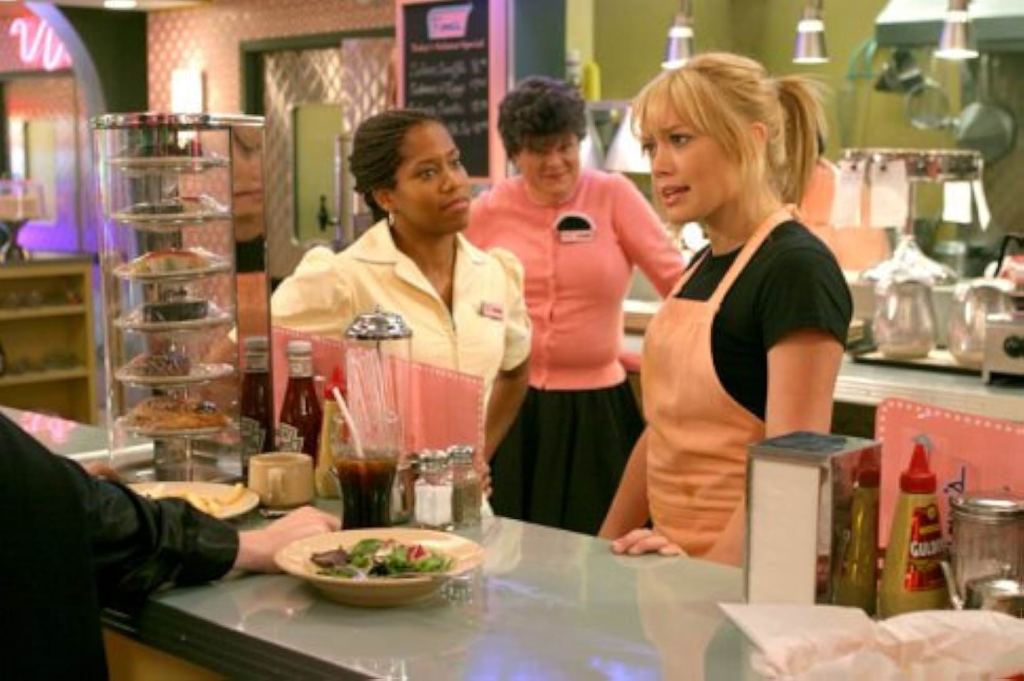
Below are strong examples of composition shots from my favorite movie, A Cinderella Story.


Planning the Perfect Picture
The best way to practice capturing well composition shots is by creating a montage. An impactful montage is a series of different yet related shots edited together in order to tell a clear story.
Before you can start capturing images for a montage you should have a written and visual plan. The written plan should define an audience, budget, message, concept, story summary and outline. The visual plan should effectively communicate the goals you have for the completed project. Creately’s writing team explains this is known as a storyboard and includes a sketch, camera actions, subject actions and dialogue.
Take a look at my preproduction plans:
 Maeve Catherine
Leave a comment