

When we are young we are reminded that we are all unique individuals however think about how much easier it’s been to blend in. Creating and distributing advertisements on different platforms can be tricky for marketing professionals because of ethics and FTC guidelines. Ethical SEO is when search engines use the acceptable techniques and strategies for marketing.
One strategy that is under speculation for being ethical or not is native advertising. Native advertising is when ads look like the surrounding content, leading audiences consumption not being interrupted. Blending in can help ads get more engagement however this also leads to users seeing more and more paid advertisements over authentic content. The question is can the user tell if its an ad?
The American Marketing Association states, “Although Reuters’ study finds that 86% of readers can tell the difference between editorial and branded content, 14% can’t—a non-negligible number in journalism, an industry that relies on reader confidence”. Marketers have begun paying content creators to incorporate links and products in their posts. You can find examples of native advertising on any platform, specifically I find native advertising on Instagram, Pinterest, and TikTok.

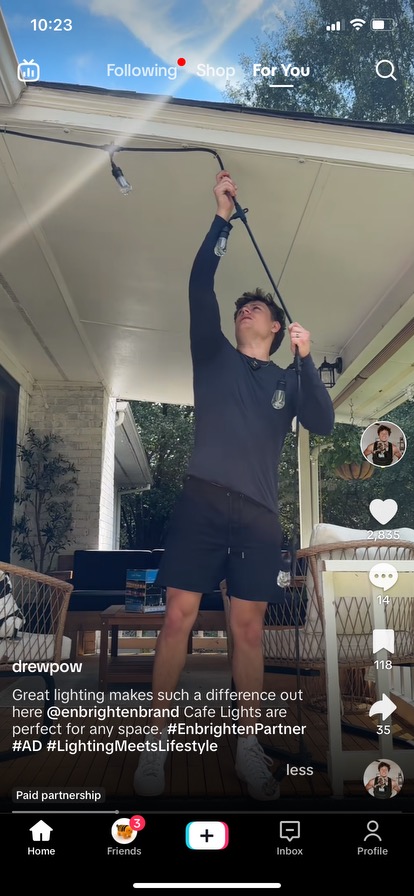
Identify native advertising
So how can users identify native advertising if the sole purpose of the strategy is for the content to blend into the surrounding media. There are 6 universal ways types of native advertising that LinkedIn’s Editor in Chief, Tequia Burt addresses.
- In Feed Placements
- These posts are directly aligned with other posts, articles and more.
- Paid Search Engine Results
- Companies pay for keywords and pages to be a top search result. Organic search results will appear below the clearly labeled “sponsored” articles that have similar, sometimes better, information. However with society’s need for information here and now, sponsored articles can still get engagement.
- Recommendation widgets
- Wether it be on the side or end of an article, recommendation widgets lead users to similar media they might enjoy. In many cases users are kept on the site through these links which leads to overall mote engagement for a company.
- Promoted Listings
- As someone who shops on Amazon and Etsy I am faced with many promoted listings. These items look as if they are organically on the top of the page however the seller paid for them to rank in the top results.
- Display Ad
- These ads fit right in with the context of a page because of the content included on the advertisement.
- Custom Ads
- With how fast technology is evolving there is no surprise that there are types of native ads that don’t fit within the five listed above.
- Tequia Burt mentions Snapchat filters as an example of native advertising. Filters are not used publicly on a daily basis however users are often searched through for their enjoyment.
Detect Native Advertising
I’ve been talking to you as if you were becoming a content strategist but maybe you are just curious about the topic. Native advertising is about blending in so there are only slight tells between the types of content. Users are becoming more aware of what content they are clicking on because of deep fakes, scams, and false advertising. It is good to be informed, so here are five ways to detect native advertising, noted by the Native Advertising Institute.
- Content Labels are a dead give away to if a post or article is an ad. Labels include tags such as “ad”, “powered by” “promoted by”, “sponsored”, “paid partnership”, and more. These labels are in a non-obstructing section of a post which helps them blend in with other posts.
- Being visually similar to the rest of content is the point of native ads but think about if a post is attempting to blend too well with an pages layout and algorithm.
- There are known to be some designated advertisement spots on article pages such as side margins, beneath a full article and more. The easiest examples of placement include sections called “Recommended Articles” or “Similar to”.
- Embedded links are a big social media marketing tactic right now, so URLs could be give aways. If you are brought to a different site ask yourself if the site is related to the previous page.
- All brands have a writing style and tone. Ask yourself, does the writing match the written word beside or underneath it? If no there is a possibility it is a native ad.
Is it ethical?
As a user I am of course sick of advertisements taking over my social media platforms but my communication industry background makes me understand the logistics of the marketing tactic. Do I believe native advertising is ethical? Yes if there are hard to miss simple and clear messaging from the influencer or page the advertisement is present on.
 Maeve Catherine
Leave a comment